

Quick question. When did you last wash your dog’s bed?
If you just went quiet, you are in good company. When this exact question comes up on r/dogs, the honest answers range from every week to once a season to a guilty never.
Here is the short version up front. Vets and hygiene researchers say a dog’s bedding should be washed about once a week, and every two weeks at the absolute outside.
Most of us are nowhere close.
What actually builds up in a dog bed?
More than fur, unfortunately. Your dog carries the outdoors in on every paw, and the bed collects all of it.
Studies on pet bedding have found bacteria that can pass between dogs and people, including Salmonella and Staph. The American Kennel Club’s cleaning guide puts dog beds among the germiest items in the house, up there with kitchen sponges.
Then there is the allergy side. Dander and dust mites pile up in the stuffing, and if the bed lives in your bedroom or under your desk, you are breathing that cloud too.
None of this is a reason to panic. Dogs and people have shared sleeping space for thousands of years.
It is just a reason to run the washing machine more often than most of us do.
So how often should you actually wash it?
Once a week is the gold standard, and that lines up with what the CDC and veterinary sources recommend for pet bedding.
Every two weeks is a reasonable baseline for a healthy adult dog who spends most of its time indoors.
Go weekly or more if any of these apply. Your dog has allergies or itchy skin.
Your dog spends serious time outside. Someone in the house has allergies.
Or your dog has recently been sick, especially with stomach trouble, an ear or skin infection, or anything a vet treated.
And if your dog sleeps in your bed, the same rule lands on your own sheets. Owners on r/dogs who share the bed mostly settle on washing sheets weekly, and that matches the expert advice.
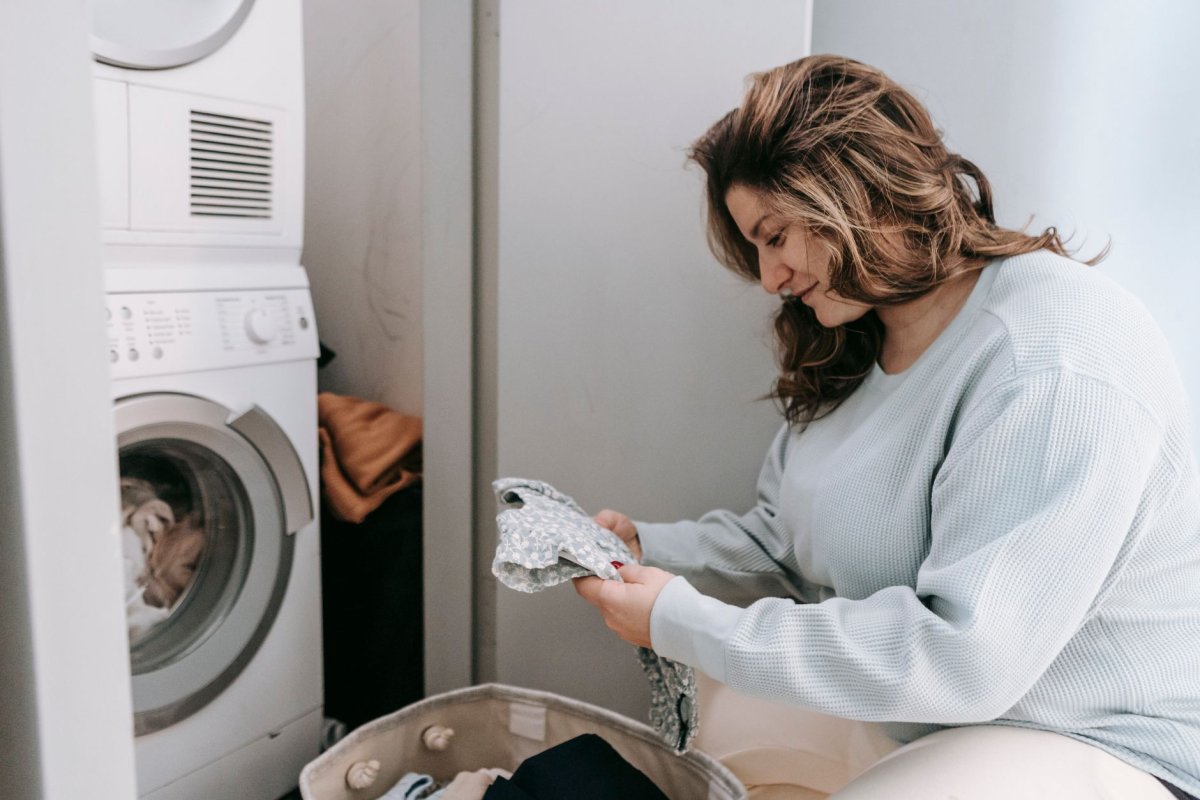
How do you wash a dog bed without ruining it?
First, vacuum or shake the loose fur off outside. A grooming glove or lint roller works when the fur is really worked in, and less fur going into your machine means less fur coming out of it forever.
If the bed has a removable cover, wash the cover in hot water with a fragrance free detergent. Heat is what kills dust mites, so skip the cold cycle here.
PetMD’s washing guide recommends an extra rinse cycle too, since detergent residue can irritate dog skin.
Machine washable beds make this whole chore almost effortless, which is honestly the biggest reason to buy one. If your current bed cannot survive a wash cycle, that is worth fixing.
The KSIIA washable plush bed on our deals page is exactly this kind of toss the whole thing in the machine bed.
Dry it completely before it goes back on the floor. A damp bed grows mildew fast, and dogs will absolutely sleep on it anyway.
What about the spots you cannot wash?
Foam cores and non removable stuffing need a different play. Sprinkle baking soda over the surface, let it sit for fifteen minutes, and vacuum it off.
That handles most odor.
For accidents, an enzyme cleaner is the move. Regular cleaners mask the smell to you, but your dog can still find the spot and will happily refresh it.
Rotate the routine with a quick weekly fur pass. A grooming glove on the dog itself catches loose coat before it ever reaches the bed, which stretches the time between deep cleans.
Will my dog even notice?
Oh, they notice. Dogs map their world by smell, and a freshly washed bed smells like a brand new place.
One owner on r/dogs tells the story of washing her dog’s bedding during a big cleaning day, then telling the dog to go to bed. The dog ran under the table, then to the sofa, genuinely confused, because the bed no longer smelled like bed.
She had to reteach her own dog a command it had known for years.
Most dogs re scent their spot within a day, usually by dramatic rolling. Consider it a feature.
A little confusion beats a bed full of dust mites.
Is a weekly wash really worth the hassle?
Here is the honest math. A wash cycle costs you five minutes of actual effort.
In exchange you get fewer allergens in the room where you sleep, less of that distinct dog corner smell in the house, and a real reduction in the bacteria your family shares with the dog.
Weekly if you can, every two weeks at minimum, hot water on the cover, dry it fully. Your dog gets a fresh bed, your nose gets a break, and everybody sleeps better.
That is about as cheap as home wins get.
Frequently asked questions
How often should I wash my dog’s bed?
About once a week is what vets and hygiene researchers recommend, and every two weeks is the reasonable minimum for a healthy indoor dog. Go weekly or more often when your dog has allergies, spends a lot of time outdoors, or has recently been sick.
The bed cover should get hot water, since heat is what kills dust mites.
Can I wash a dog bed in my regular washing machine?
If the bed or its cover is machine washable, yes. Shake or vacuum the fur off first, use a fragrance free detergent, run hot water, and add an extra rinse so no residue is left against your dog’s skin.
Beds with foam cores usually need the cover washed separately and the core spot cleaned.
What detergent is safe for dog bedding?
A fragrance free, dye free detergent is the safe pick. Dogs have far more sensitive noses and skin than we do, and leftover perfume or residue can irritate both.
Run an extra rinse cycle and skip fabric softener and dryer sheets entirely.
How do I get dog smell out of a bed that cannot be washed?
Baking soda is the workhorse. Sprinkle it over the bed, wait fifteen minutes, and vacuum thoroughly.
For urine or other accidents use an enzyme cleaner, which actually breaks down the odor instead of covering it. If a bed never comes clean anymore, that is the sign to replace it with a machine washable one.
Why is my dog acting weird after I washed its bed?
The bed lost its smell, and to your dog the smell was the bed. Most dogs re scent their spot within a day by rolling and nesting.
It is normal, it is temporary, and it is a lot healthier than the alternative of never washing at all.