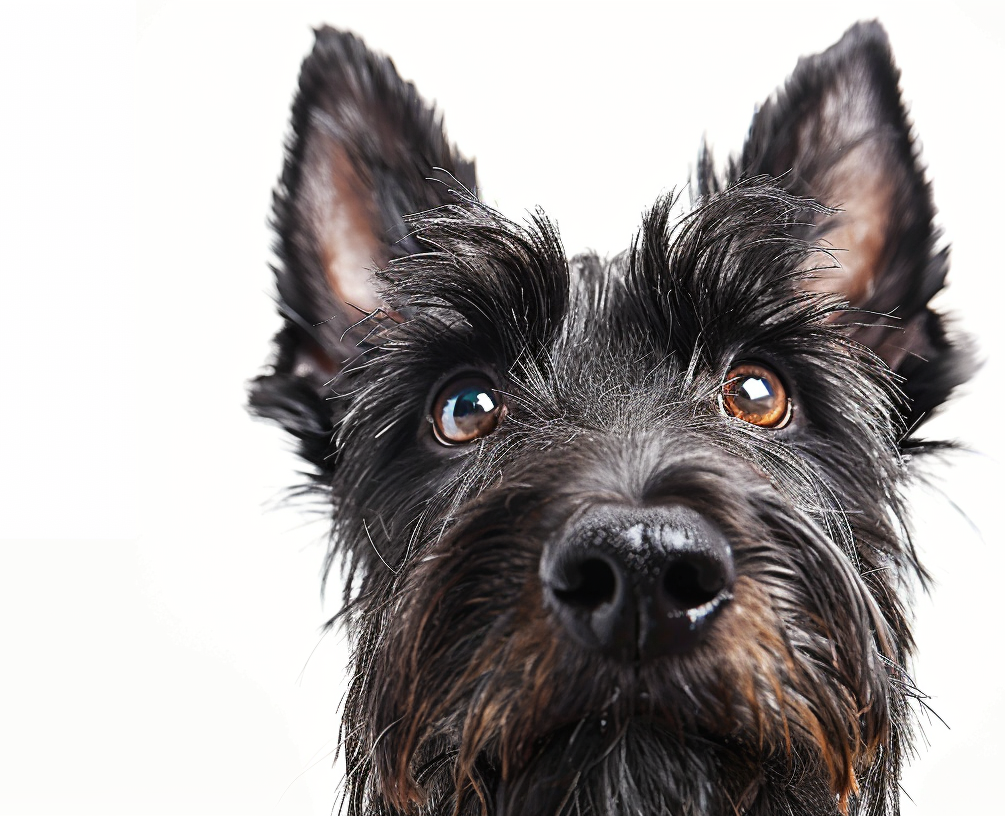
I used to be one of those people who thought dogs just barked, wagged their tails when happy, and maybe did that cute head-tilt thing when confused. Boy, was I wrong. Like, embarrassingly wrong.
It wasn’t until I got Luna, my ridiculously dramatic Golden Retriever mix, that I realized dogs are basically having full conversations with us every single day. We’re just too clueless to listen. And I mean really listen – not just to the barking, but to everything else they’re doing with their bodies, their eyes, even their freaking nostril usage. Yes, that’s a thing.
The moment that changed everything for me was watching Luna at the dog park one day. She was approaching this massive German Shepherd, and I’m thinking “Oh great, here we go,” but then I noticed something weird. She wasn’t walking straight at him. She was doing this weird sideways arc thing, and her whole body looked… wiggly? Like she was doing some kind of doggy dance. The German Shepherd saw this and immediately relaxed, dropped into a play bow, and boom – instant best friends.
That’s when it hit me. They were having an entire conversation before they even got close to each other. And I’d been missing these conversations my entire life.
What’s Really Going on When Dogs “Talk” to Each Other?
So here’s the thing that blew my mind when I started researching this stuff. According to the American Kennel Club, dogs are actually way better communicators than we give them credit for. They’re using visual signals, sounds, scents, and even touch to have these incredibly sophisticated conversations. It’s like they have their own secret language, and we’ve been walking around thinking we’re part of the conversation when really we’re just… not.
Dogs aren’t just randomly doing things. Every tail wag, every ear position, every weird sniff-and-circle routine has meaning. And get this – recent research from UC San Diego shows that dogs are even using those talking buttons in specific, intentional combinations. They’re not just randomly pressing buttons hoping for treats. They’re actually trying to communicate specific things. Mind blown, right?
But here’s what really gets me excited about this – once you start seeing dog communication for what it really is, you become this like… dog whisperer person. Not in a cheesy way, but in a “holy crap, I actually understand what’s happening” way.
How Dogs Read Each Other Like Open Books
The Body Language Thing That Changes Everything
I’m going to tell you something that sounds dramatic but is totally true – understanding dog body language is like getting subtitles for a foreign film you’ve been watching your whole life. Suddenly everything makes sense.
The ASPCA has this great breakdown of how dogs use their whole bodies to communicate, and it’s honestly fascinating. Like, did you know that when Luna does that thing where she looks away from other dogs, she’s not being rude? She’s literally saying “Hey, I’m not a threat, we’re cool.” It’s called a calming signal, and dogs do it all the time.
Here’s what I learned to watch for, and trust me, once you start noticing this stuff, you can’t unsee it:
The tail thing is way more complicated than I thought. A wagging tail doesn’t automatically mean happy – it just means aroused. Could be good arousal, could be “I’m about to lose my mind” arousal. Luna’s tail does this helicopter spin thing when she sees me come home, and that’s definitely the good kind. But when she sees the mail carrier? High, stiff, fast wag. Totally different message.
There was this study from 2013 that I read about where they found dogs actually wag more to the right when they’re feeling positive and more to the left when something’s making them nervous. How crazy is that? Dogs have emotional tail preferences!
Then there’s the play bow thing. You know when dogs put their front end down and their butt up in the air? That’s basically them saying “Everything I do after this is just play, don’t take it seriously.” It’s like they’re putting up air quotes around their behavior. Luna does this constantly, and now I realize she’s been trying to tell me she wants to play for like three years.
The Eyes Have It (And It’s Not What You Think)
OK, this one really messed with me. Eye contact with dogs is completely different from eye contact with humans. With people, sustained eye contact means you’re paying attention, being respectful, all that good stuff. With dogs? It’s confrontational.
I used to stare at Luna all the time because she’s adorable and I’m obsessed with her. But according to VCA Animal Hospitals, prolonged staring is basically a challenge in dog language. No wonder she used to look so uncomfortable when I’d just gaze lovingly at her for like ten minutes straight. I was accidentally starting staring contests with my own dog.
The “whale eye” thing is something I never noticed until someone pointed it out to me. It’s when dogs turn their head away but keep their eyes on you, so you can see the white parts of their eyes. Luna does this when the vet tries to examine her, and now I know she’s saying “I’m really not OK with this but I’m trying to be polite about it.”
The Scent Situation That We’re Completely Missing
This is where it gets really wild. Dogs are having entire conversations through smell that we’re completely oblivious to. We’re like those people at a party who don’t speak the language everyone else is using.
Dogs have up to 300 million smell receptors compared to our pathetic 6 million. But what really sets them apart is this thing called the Jacobson’s organ that picks up chemical signals like pheromones. It’s basically like having a superpower for social media, except instead of scrolling through posts, they’re sniffing butts and pee spots.
I used to get so frustrated when Luna would spend five minutes sniffing one random spot on our walks. Now I realize she’s reading the neighborhood newsletter. Some dog left a chemical message about their emotional state, their age, what they had for dinner, probably their relationship status. It’s like Instagram for dogs, and I was trying to rush her through it.
The whole butt-sniffing thing that we find so gross? That’s dogs exchanging business cards. Their anal glands release this individual scent signature that’s basically their personal ID. Luna can learn more about another dog in thirty seconds of butt-sniffing than I can learn about a person in thirty minutes of conversation.
The Vocal Stuff That Actually Means Something
I always thought barking was just… barking. Turns out I was wrong about this too. Dogs modulate their barks based on what they’re trying to communicate, kind of like how we change our tone of voice.
Luna has this rapid, high-pitched bark she does when she sees other dogs, and it’s totally different from her slow, low bark when someone’s at the door. The American Kennel Club explains that dogs actually change the pitch, rhythm, and tone of their barks depending on what they’re trying to say. It’s not random noise – it’s purposeful communication.
The growling thing used to terrify me until I learned that dogs growl during play too. Luna growls when she’s playing tug-of-war, but it’s completely different from her “back off” growl. Play growls usually come with wagging tails and bouncy body language. Warning growls come with stiff bodies and hard stares.
And don’t even get me started on Huskies. Those dogs have basically figured out how to mimic human speech patterns. There are videos of Huskies that sound like they’re saying actual words, and while they’re not really talking, they’re incredibly good at imitating the frequencies and tones of human speech. It’s like they’re trying to meet us halfway in the communication department.
When Touch Becomes a Message
This is something I never thought about until I started really watching dogs interact. Physical contact isn’t just physical contact – it’s communication.
Luna does this thing where she paws at me when she wants attention. I used to think it was just random, but now I know she’s literally asking for something. Why won’t my dog stop pawing at me? It’s actually a pretty sophisticated form of communication when you think about it.
Dogs also do this muzzle nudging thing that I find absolutely adorable. Luna nudges other dogs’ muzzles during greetings, and I learned this is actually a sign of deference or social bonding. It’s like a polite handshake in dog language.
The leaning thing gets me every time. When dogs lean against each other or against us, they’re not just being clingy – they’re engaging in affiliative behavior that strengthens social bonds. Luna leans against me constantly, and now I know she’s basically giving me dog hugs.
How Dogs Adapt Their Communication (They’re Smarter Than We Think)
Here’s what really blows my mind about dogs – they don’t just send the same signals to everyone. They actually read the social situation and adjust their communication accordingly.
Dogs do this thing called social referencing where they look to other dogs or even to us to figure out how to react to something new. If Luna sees another dog acting nervous about something, she becomes cautious too. It’s like they’re constantly checking in with each other to figure out the social temperature of a situation.
Well-socialized dogs are basically doggy diplomats. They know when to back down, when to be assertive, when to use calming signals to de-escalate tension. Luna’s really good at this – she can read another dog’s energy and adjust her approach accordingly. Some dogs come on strong and she matches their energy. Other dogs are nervous and she dials it way down.
But here’s the sad part – dogs who haven’t been properly socialized often don’t “speak dog” fluently. They miss signals, send mixed messages, or just don’t know the social rules. It’s like trying to navigate a foreign country without knowing the language or customs.
When Dog Communication Goes Wrong
Not all dogs are great communicators, and honestly, it’s usually not their fault. Different breeds have different challenges when it comes to communication.
French Bulldogs and other flat-faced breeds have reduced facial mobility because of their smooshed faces, so they can’t make all the facial expressions that other dogs rely on. Dogs with naturally erect ears or very short tails are missing some of the equipment that typically helps with communication. It’s like trying to have a conversation with someone whose phone keeps cutting out – you’re missing crucial parts of the message.
Energy mismatches are huge too. I’ve seen hyperactive Labs completely overwhelm mellow senior dogs who are just trying to exist peacefully. The Lab thinks they’re being friendly, but the older dog is probably thinking “Please just leave me alone.”
And then there’s the socialization issue. Dogs who were raised alone or weren’t exposed to other dogs during those crucial puppy weeks often struggle with dog-to-dog communication their whole lives. They might not know how to play appropriately, or they might misread warning signals and get themselves into trouble.
Why This Matters More Than You Might Think
Understanding dog communication has honestly changed my relationship with Luna and made me a better dog parent in general. I can read situations before they escalate, I know when she’s uncomfortable even if she’s trying to be polite about it, and I can advocate for her in situations where other people might not understand what she’s trying to say.
The research on this stuff is getting really sophisticated too. That recent UC San Diego study on dogs using talking buttons found that they’re making intentional two-button combinations to communicate specific requests. Dogs were pressing “outside” + “potty” or “food” + “water” in meaningful ways that were way different from random chance. It’s like they’re learning to use our communication tools to bridge the gap between species.
But even without fancy talking buttons, dogs are constantly trying to communicate with us. Every time Luna yawns when she’s not tired, or licks her lips when there’s no food around, or does that head-turn thing when someone’s petting her in a way she doesn’t like, she’s trying to tell me something. And now that I’m finally listening, our relationship is so much better.
The next time you’re around dogs – whether it’s your own or dogs at the park – try to really watch what’s happening. Don’t just listen to the barks. Look at the body language, notice the facial expressions, pay attention to how they approach each other. You’ll start to see conversations happening everywhere, and once you see them, you can’t unsee them.
It’s like getting a decoder ring for a secret language you never knew existed. And trust me, once you crack the code, the conversations are fascinating.
[Check out our complete guide to dog body language basics]
[Learn about reading your dog’s stress signals]
Frequently Asked Questions
How can I tell if my dog is trying to communicate something specific to me?
Oh man, this is my favorite question because once you start noticing, you’ll see it everywhere! Look for repeated behaviors that seem out of context – like Luna pawing at me when she’s not hungry or wanting to go out. Dogs often use escalating signals, starting subtle and getting more obvious if we don’t respond. If your dog keeps doing something that seems random, they’re probably trying to tell you something specific. Watch their body language too – are they tense, relaxed, focused on something specific? The context usually gives you clues about what they’re trying to communicate.
Is my dog actually understanding what other dogs are “saying” or just reacting?
Dogs are definitely understanding and responding to specific signals, not just randomly reacting. That recent research from UC San Diego showed dogs making intentional communication choices that were way different from random behavior. Dogs learn to read each other’s body language from puppyhood, and well-socialized dogs can have pretty sophisticated conversations through visual and scent signals. Luna clearly understands when another dog is saying “let’s play” versus “please leave me alone” – her responses are totally different and appropriate to what the other dog is communicating.
Why does my dog seem to communicate differently with different dogs?
This is actually super smart behavior! Dogs are social creatures who adjust their communication style based on who they’re interacting with. Luna is way more gentle and submissive with senior dogs, but she’ll match energy with puppies who want to play rough. Dogs read each other’s signals and respond accordingly – kind of like how we talk differently to our grandparents than we do to our best friends. Some dogs are naturally more assertive, others are more deferential, and good communicators adapt their approach to what works best with each individual dog.
Should I be worried if my dog doesn’t seem to “speak dog” very well?
Not worried, but it’s definitely something you can work on! Dogs who missed early socialization or were raised alone often struggle with dog-to-dog communication, but it’s never too late to help them learn. Controlled, positive interactions with well-behaved dogs can help your pup learn the social rules. If your dog seems to consistently misread other dogs’ signals or gets into conflicts, working with a professional dog trainer who understands canine communication can make a huge difference. Some dogs are just naturally less social, and that’s OK too – not every dog needs to be a social butterfly.
How long does it take to learn to read dog body language fluently?
Honestly, I’m still learning new things about Luna’s communication style, and I’ve had her for three years! The basics – like recognizing play bows, stress signals, and basic tail language – you can start picking up pretty quickly if you’re actively watching for them. I’d say it took me a few months of really paying attention before I started consistently reading situations correctly. But the cool thing is, the more you watch, the more you see. It’s like learning any new language – you start with the basics and build from there. Even just knowing a few key signals makes a huge difference in understanding what your dog is trying to tell you.